


Join me for my live 90-minute class and discover the Five Things I’ve Learned about preserving works by some of America’s greatest postwar painters – including Mark Rothko, Barnett Newman, and Cy Twombly.
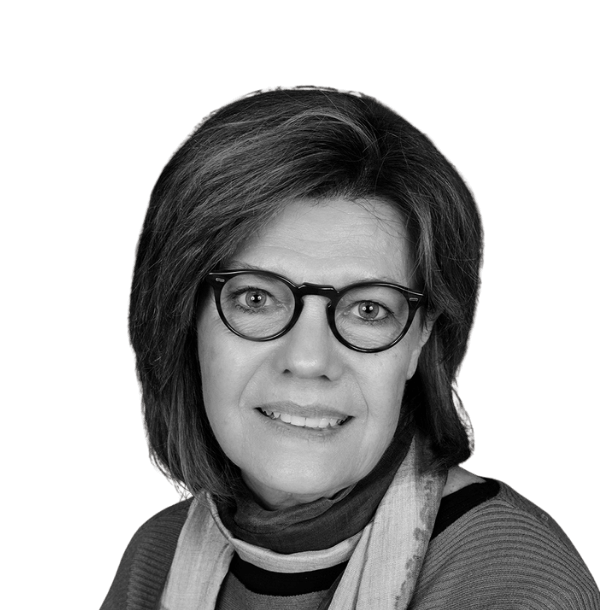
My name is Carol Mancusi-Ungaro, and I want to invite you to my upcoming class, Five Things I’ve Learned about Conserving the Art of Our Time
I hope you can join me for this live, 90 minute session, because the ways that great art exists—and can endure—are at the heart of my professional career. I have long been an art restorer, and I currently serve as Associate Director Emerita, Conservation and Research, at the Whitney Museum of American Art. I have also served as the Founding Director of the Center for the Technical Study of Modern Art at the Harvard Art Museums and as Chief Conservator of The Menil Collection in Houston, Texas. Thinking about art and ways to preserve its essence – that which awakens our personal experience as viewers – has been the most challenging and rewarding part of my work. I would like to share with you why I feel this way.
As I hope to explain, I have come to regard the preservation of art as one of the more important endeavors of our time. Much of what we know about our own culture and history comes to us through art. Yet time and human intervention can ravage these signposts. Even subtle, sometimes minute, material changes can influence—and even transform—the way each generation experiences, recognizes, and understands a work of art. Preserving great works of art is essential and how it is accomplished is equally important.
What does it mean to “restore” art created by someone else? How do we identify those elements of a work of art that have been altered by natural aging or by some form of human intervention? And how should the treatment unfold? What materials can be used that complement rather than corrupt or transform the maker’s artistic investment? How we restore the physicality of a work of art is one question, but what experiential aspects of it we strive to preserve is a thornier inquiry.
As I’ll explain, these are rarely easy issues to resolve. I have been fortunate to oversee the restoration of works by some of America’s greatest postwar painters, including Mark Rothko, Barnett Newman, and Cy Twombly. I will use the treatments of some of their more treasured works, along with those by other artists, to illustrate what I consider the challenge and privilege of conserving major artistic achievements.
I began my career as an apprentice to a restorer of early Italian painting at the Yale University Art Gallery. My mentor was originally an artist, and as my career path led me to the conservation and treatment of modern and contemporary art, I began to understand the essential need to place the artist’s voice at the heart of the restoration process. During our time together, we will consider the differences between restoring representational and abstract art, as well as the difference between working with and without direct access to the artist whose work is being preserved.
I have found that art embodies the time in which it is made, and that great art both endures and extends beyond its time. I look forward to sharing with you the ways that restorers, like me, first recognize the material and experiential core of a work of art and then set out to preserve it for posterity.
I hope you’ll join me.
Carol Mancusi-Ungaro
 You and a guest could win two tickets to the class of your choice.